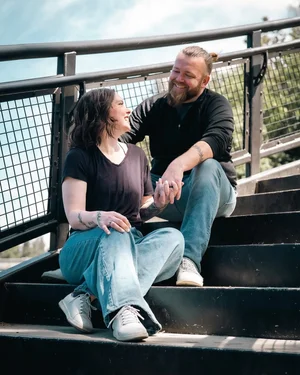
Wedding planning is filled with meaningful decisions—your dress, your venue, your flowers—but there’s one moment that often carries more emotional weight than couples expect: your first dance.
For many couples, this moment feels like a spotlight. It’s intimate, visible, and deeply symbolic. And yet, so many bride and grooms-to-be approach it with anxiety instead of excitement.
The good news? Learning your first dance doesn’t have to feel awkward, intimidating, or time-consuming. In fact, with the right approach, it can become one of the most grounding, connecting parts of your entire wedding planning experience.
Why More Couples Are Choosing to Learn Their First Dance at Home
Traditionally, couples would sign up for in-studio wedding dance lessons, carving out time in already packed schedules to attend weekly sessions. While that works for some, modern couples—especially busy brides balancing work, life, and wedding planning—are turning to a more flexible option: online dance lessons for couples.
Learning your first dance at home gives you freedom. Freedom to practice in sweatpants. Freedom to laugh when things feel off. Freedom to repeat a movement ten times without feeling watched.
And most importantly, it creates a private space where your first dance becomes less about performance—and more about connection.
The Hidden Pressure of “Looking Good”
Let’s be honest: a big part of first dance stress comes from the idea that you need to impress your guests.
But here’s what experienced dancers (and wedding professionals) know: your guests aren’t looking for perfection. They’re looking for a feeling.
They want to see:
How you look at each other
How comfortable you are together
How present you feel in the moment
That’s exactly what at-home wedding dance lessons help you build.
What Makes At-Home Dance Lessons So Effective
Online wedding dance lessons aren’t just convenient—they’re incredibly effective when designed well. Instead of overwhelming you with choreography, they focus on foundational skills that actually matter:
Lead and follow connection
Timing and rhythm
Simple, repeatable patterns
Natural transitions between movements
This is especially powerful if you’re learning a style like Wedding Swing, which blends structure with freedom. It gives you enough guidance to feel confident, without locking you into rigid choreography.
Creating a Practice Routine That Actually Works
One of the biggest advantages of learning your first dance at home is consistency. Instead of relying on a once-a-week lesson, you can integrate practice into your weekly rhythm.
Here’s what works best for most couples:
- Practice 2–3 times per week
- Keep sessions around 15–30 minutes
- Focus on one concept at a time
- End on a positive note (even if it’s just one move that felt good)
This approach keeps things light, sustainable, and—most importantly—enjoyable.
Turning Practice Into Connection Time
This is where everything shifts.
Your first dance practice doesn’t have to feel like another item on your to-do list. It can become something you look forward to—a built-in pause in the middle of wedding planning chaos.
Instead of talking about timelines or seating charts, you’re:
Moving together
Communicating without words
Laughing when things go wrong
Celebrating small wins
For many brides, this becomes one of the only moments during engagement where they feel fully present with their partner.
What If We’re Not “Dancers”?
This is the number one concern couples have—and it’s exactly why at-home lessons work so well.
You don’t need a dance background. You don’t need natural rhythm. You don’t need to be “good.”
You just need:
- A willingness to try
- A simple structure to follow
- A little bit of consistency
Confidence doesn’t come from talent—it comes from familiarity.
Designing a First Dance That Feels Like You
One of the biggest advantages of learning at home is that your dance becomes personalized naturally. You’re not trying to match someone else’s choreography—you’re building something that fits your energy as a couple.
Do you want something soft and romantic? Playful and light? A mix of both?
Wedding Swing makes this especially easy because it adapts to your music and your personality. It gives you a framework, but leaves room for authenticity.
The Moment It All Clicks
There’s always a moment in the process where something shifts.
The steps start to feel familiar. The transitions become smoother. You stop thinking so much—and start feeling more.
That’s when your first dance transforms from something you’re “preparing for”… into something you’re actually excited about.
On Your Wedding Day
When the music starts, you won’t be thinking about steps.
You’ll recognize the rhythm. You’ll feel your partner’s lead. You’ll settle into something that feels natural, steady, and connected.
And instead of rushing through the moment, you’ll actually get to experience it.
That’s the goal.
Not perfection. Not performance.
Just a moment that feels like you.